










Abstract
The General Data Protection Regulation (GDPR) establishes a comprehensive framework to protect personal data and ensure consistent enforcement of privacy laws across the European Union. One important element within this structure is the European Data Protection Board (EDPB), which coordinates cooperation among supervisory authorities. Article 69 focuses on the independence of the Board while performing its tasks and exercising its powers. Independence is essential because it ensures that decisions related to data protection are made objectively and without influence from governments, organizations, or external interests. By operating independently, the Board can maintain fairness, transparency, and credibility when issuing guidelines, resolving disputes, and promoting consistent application of data protection rules throughout the EU.
Explanation
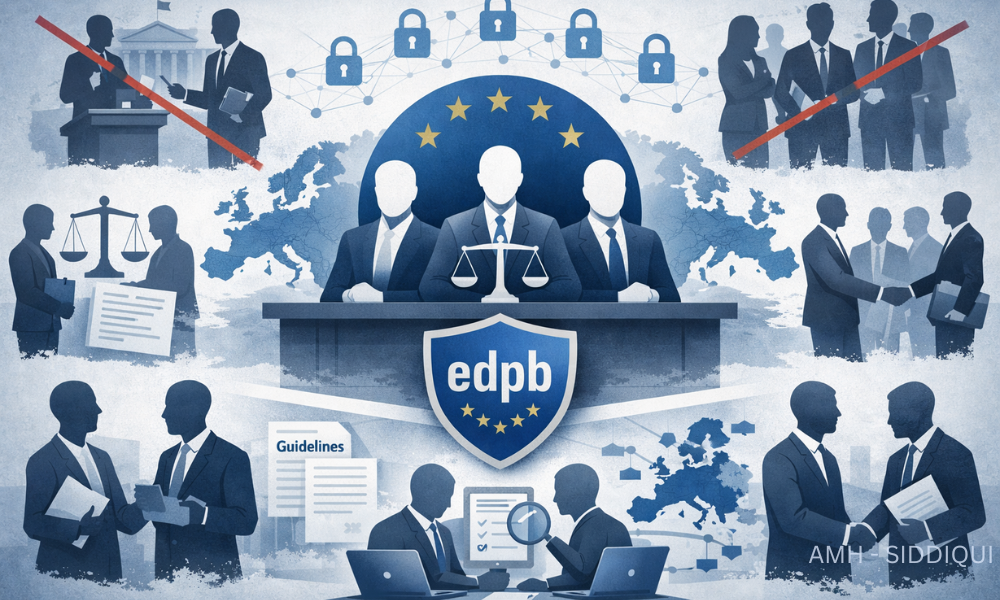
Article 69 emphasizes that the European Data Protection Board must act independently when carrying out its responsibilities. Independence means that the Board should not be influenced by political pressure, corporate interests, or other external factors that might affect the fairness of its decisions.
The Board plays a central role in ensuring that data protection laws are applied consistently across EU member states. It provides guidance to supervisory authorities, helps resolve disagreements between regulators, and issues opinions on data protection matters. If the Board were influenced by external forces, its ability to provide impartial decisions could be compromised.
Independence also helps build trust among organizations and individuals. When people know that the Board operates without bias, they are more likely to trust the regulatory process and believe that their data protection rights are being handled fairly.
Another important aspect of independence is decision-making authority. The Board must be able to evaluate complex data protection issues based purely on legal principles, evidence, and established procedures. This ensures that decisions reflect the objectives of the GDPR rather than external interests.
In practical terms, independence allows the Board to perform its duties effectively, maintain transparency in regulatory actions, and support cooperation between national data protection authorities while remaining neutral.
Key Points
- The European Data Protection Board must perform its duties independently.
- External influence from governments, organizations, or private interests must not affect its decisions.
- Independence supports fair and objective decision-making in data protection matters.
- The Board provides guidance, recommendations, and opinions on GDPR implementation.
- Independent operation strengthens trust in the EU’s data protection framework.
- It ensures consistent enforcement of privacy laws across member states.
- The Board can resolve disagreements between supervisory authorities without bias.
General Activation Steps
- Formation of the Board: The European Data Protection Board is formed with representatives from national supervisory authorities and the European Data Protection Supervisor.
- Establishing Governance Rules: Internal rules and procedures are defined to ensure transparent and unbiased decision-making.
- Ensuring Operational Independence: Members must carry out their responsibilities without receiving instructions from external entities.
- Conducting Board Activities: The Board performs tasks such as issuing guidelines, recommendations, and opinions on data protection matters.
- Maintaining Neutral Decision-Making: Decisions are based solely on legal analysis, evidence, and GDPR objectives.
- Monitoring Compliance: The Board ensures that its independence is preserved while handling regulatory tasks and disputes.
Use Cases
- Resolving Regulatory Disputes: When two supervisory authorities disagree on a cross-border data processing issue, the Board may step in to resolve the dispute. Its independence ensures that the final decision is fair and not influenced by national or political interests.
- Issuing Data Protection Guidelines: The Board frequently publishes guidelines that help organizations understand how to comply with GDPR. Because the Board operates independently, these guidelines are based on legal interpretation rather than pressure from industries or governments.
- Coordinating Cross-Border Data Protection Cases: Many companies operate across multiple EU countries. When data protection concerns involve several jurisdictions, the Board helps coordinate the response and maintain consistent enforcement.
- Supporting Supervisory Authorities: National regulators may seek the Board’s opinion when handling complex privacy issues. The Board’s independence ensures that advice is objective and legally grounded.
- Protecting Individuals’ Privacy Rights: Individuals rely on regulatory institutions to protect their personal data. An independent Board strengthens confidence that complaints and concerns will be addressed fairly.
Dependencies
- Legal Framework: The Board’s independence depends on the legal structure established by the GDPR. Clear legal provisions ensure that the Board operates without external interference.
- Cooperation with Supervisory Authorities: Although the Board acts independently, it still works closely with national data protection authorities. Effective cooperation supports consistent enforcement while preserving neutrality.
- Institutional Support: Administrative and operational support from EU institutions allows the Board to perform its duties efficiently without compromising independence.
- Transparent Procedures: Decision-making processes, documentation, and published opinions help maintain transparency. This transparency reinforces independence by allowing public scrutiny.
- Accountability Mechanisms: Even though the Board acts independently, it remains accountable under EU law. Oversight mechanisms ensure that its actions align with the objectives of data protection regulation.
Tools and Technologies
- Secure Communication Platforms: Digital communication systems enable the Board and supervisory authorities to exchange information securely when discussing regulatory matters.
- Data Analysis Systems: Advanced analytical tools help regulators evaluate data protection risks, cross-border data flows, and compliance patterns.
- Document Management Systems: These systems help organize legal opinions, regulatory guidelines, and official communications while maintaining secure records.
- Collaboration Platforms: Online collaboration tools allow Board members and national authorities to coordinate decisions and share expertise efficiently.
- Cybersecurity Infrastructure: Strong cybersecurity measures ensure that sensitive regulatory information and personal data remain protected during investigations and discussions.
Let’s Wrap
Article 69 highlights a fundamental principle within the GDPR framework: independence. The European Data Protection Board must operate without external influence while carrying out its responsibilities. This independence ensures that decisions related to data protection are fair, objective, and based on legal principles rather than political or commercial pressure.
By maintaining neutrality, the Board strengthens trust in the EU’s data protection system. It can provide reliable guidance, resolve disputes between supervisory authorities, and support consistent enforcement of privacy rules across member states.
Ultimately, the independence of the Board plays an essential role in protecting individuals’ personal data and ensuring that the GDPR functions as a strong and credible regulatory framework in the digital age.
For further reading:
- EU GDPR – Article 68 (European Data Protection Board)
- EU GDPR – Article 67 (Exchange of Information)
- EU GDPR – Article 66 (Urgency Procedure)
- EU GDPR – Article 65 (Dispute resolution by the Board)
- EU GDPR – Article 64 (Opinion of the Board)
- EU GDPR – Article 63 (Consistency Mechanism)
- EU GDPR – Article 62 (Joint Operations of Supervisory Authorities)
- EU GDPR – Article 61(Mutual assistance)
- EU GDPR – Article 60 (Cooperation Between Supervisory Authorities)
- EU GDPR – Article 59 (Activity Reports)
- EU GDPR – Article 58 (Powers of Supervisory Authorities)
- EU GDPR – Article 57 (Tasks of the Supervisory Authority)
- EU GDPR – Article 56 (Competence of the Lead Supervisory Authority)
- EU GDPR – Article 55 (Competence)
- EU GDPR – Article 54 (Rules on the Establishment of the Supervisory Authority)
- EU GDPR – Article 53 (General Conditions for the Members of the Supervisory Authority)
- EU GDPR – Article 52 (Independence)
