










Abstract
The General Data Protection Regulation (GDPR) introduced a unified data protection framework across the European Union to ensure that personal data is handled responsibly and consistently. To support the effective functioning of this framework, the European Data Protection Board (EDPB) plays an important role in coordinating cooperation between national supervisory authorities. One of the key leadership roles within the Board is the Chair. Under EU GDPR Article 74, the Chair is responsible for organizing the Board’s work and ensuring that its activities run efficiently. This includes arranging meetings, informing supervisory authorities about decisions taken by the Board, and ensuring that the Board’s responsibilities are carried out within the expected timeframes. By managing these administrative and coordination tasks, the Chair helps maintain smooth communication among data protection authorities and ensures that GDPR policies are implemented consistently across the EU.
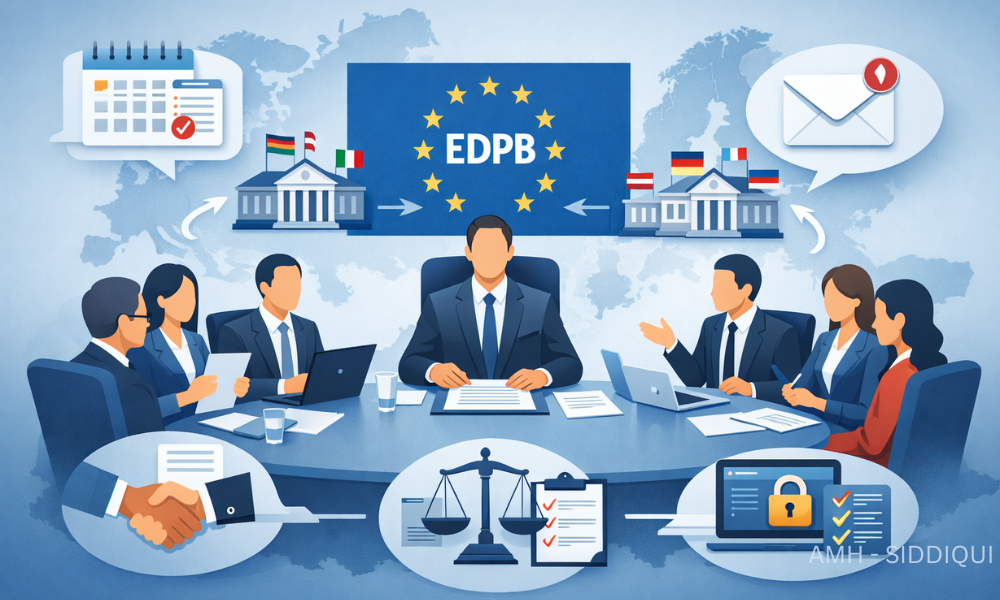
Explanation
The European Data Protection Board brings together representatives from national data protection authorities across EU member states. Because these authorities often collaborate on cross-border data protection issues, strong coordination is essential. This is where the role of the Chair becomes significant.
According to EU GDPR Article 74, the Chair performs important organizational and leadership duties that allow the Board to function effectively. The Chair does not only preside over meetings but also ensures that discussions are properly planned and decisions are communicated clearly to the relevant authorities.
One of the main responsibilities of the Chair is setting up Board meetings. These meetings allow members to discuss major data protection matters, such as cross-border data processing cases, interpretations of GDPR provisions, and cooperation between national authorities. Proper scheduling and preparation of these meetings ensures that all members have the opportunity to participate and contribute to decision-making.
Another responsibility is notifying supervisory authorities about decisions made by the Board. After discussions and votes take place, the Chair ensures that the outcomes are formally communicated to all relevant parties. This notification process helps maintain transparency and ensures that authorities understand the Board’s position on different issues.
The Chair also ensures that the Board’s tasks are performed on time. The EDPB has multiple responsibilities, including issuing guidelines, resolving disputes between supervisory authorities, and providing advice on data protection policies. The Chair monitors progress and encourages timely completion of these responsibilities so that the Board remains effective and responsive to evolving privacy challenges.
Overall, the Chair acts as a central coordinator who ensures that the Board’s activities remain structured, organized, and efficient.
Key Points
- The Chair plays a leadership role within the European Data Protection Board.
- One of the primary responsibilities is organizing and setting up Board meetings.
- The Chair ensures that all supervisory authorities are informed about decisions taken by the Board.
- Timely execution of the Board’s responsibilities is monitored by the Chair.
- The Chair helps coordinate cooperation between EU data protection authorities.
- Effective communication between Board members is supported by the Chair’s administrative role.
- The Chair ensures that the Board operates smoothly and maintains productivity.
General Activation Steps
- Scheduling Board Meetings: The Chair begins by arranging meetings of the European Data Protection Board. This involves setting dates, preparing agendas, and coordinating with members so discussions can take place in an organized manner.
- Preparing Meeting Documentation: Before meetings occur, relevant documents, reports, and proposals are gathered and shared with Board members. This preparation allows participants to review information and come ready for discussion.
- Conducting the Meeting: During the meeting, the Chair guides discussions, ensures that every authority has the opportunity to express its views, and maintains focus on the agenda.
- Decision Finalization: When discussions reach a conclusion, the Board may adopt guidelines, recommendations, or formal decisions. The Chair ensures that these outcomes are properly documented.
- Notification of Supervisory Authorities: Once decisions are finalized, the Chair informs the relevant supervisory authorities so they can apply or consider the Board’s decisions in their work.
- Monitoring Task Completion: The Chair ensures that ongoing Board activities such as issuing guidelines or resolving disputes are completed within reasonable timelines.
Use Cases
- Coordination of Cross-Border Data Protection Cases: When companies operate in multiple EU countries, their data processing activities may affect individuals across several jurisdictions. Supervisory authorities often need to collaborate on such cases. The Chair organizes meetings and discussions that allow authorities to reach a common position and ensure consistent enforcement of GDPR.
- Issuing GDPR Guidelines and Recommendations: The European Data Protection Board regularly publishes guidelines that clarify how organizations should interpret certain GDPR provisions. The Chair coordinates meetings where experts discuss legal interpretations and finalize guidance documents before publication.
- Resolving Disputes Between Supervisory Authorities: Occasionally, different supervisory authorities may have differing opinions about how a GDPR rule should be applied. In these situations, the Board steps in to provide a resolution. The Chair ensures that the dispute resolution process is organized and completed efficiently.
- Responding to Emerging Privacy Issues: New technologies such as artificial intelligence, cloud computing, and large-scale data analytics can create new privacy challenges. The Chair may organize special meetings so the Board can examine these developments and provide recommendations.
- Ensuring Transparency Across Authorities: Communication between EU data protection authorities is essential for consistency. By notifying authorities of Board decisions, the Chair ensures that everyone remains informed about regulatory interpretations and enforcement strategies.
Dependencies
- Cooperation of National Supervisory Authorities: The Chair relies on active participation from supervisory authorities across EU member states. Their contributions and collaboration are necessary for effective Board discussions and decisions.
- Support from the European Data Protection Board Secretariat: Administrative and logistical support from the EDPB Secretariat helps the Chair organize meetings, prepare documents, and distribute official communications.
- Clear GDPR Legal Framework: The Chair’s responsibilities depend on the legal structure provided by GDPR. Articles defining the Board’s powers and responsibilities guide how the Chair manages tasks and processes.
- Timely Communication Channels: Efficient communication tools and channels are necessary for notifying authorities about decisions and coordinating discussions across multiple countries.
- Participation of Board Members: The effectiveness of the Chair’s role depends on engagement from Board members who contribute expertise, share insights, and participate in decision-making processes.
Tools and Technologies
- Secure Communication Platforms: Encrypted communication tools allow the Chair and Board members to exchange sensitive information safely while discussing regulatory matters.
- Digital Meeting Systems: Online meeting platforms make it easier for representatives from different countries to participate in discussions without the need for frequent travel.
- Document Management Systems: Centralized document platforms help store reports, meeting agendas, draft guidelines, and official decisions so members can easily access them.
- Collaboration Software: Collaboration tools enable members to review documents, provide feedback, and work collectively on GDPR guidelines or regulatory recommendations.
- Data Governance Frameworks: Tools that support data governance and compliance monitoring can assist authorities when implementing the decisions or recommendations issued by the Board.
Let’s Wrap
EU GDPR Article 74 highlights the administrative and coordination responsibilities of the Chair within the European Data Protection Board. While the Board itself brings together experts from various national supervisory authorities, the Chair ensures that its work remains organized and productive.
By scheduling meetings, communicating decisions, and ensuring tasks are completed on time, the Chair helps maintain the Board’s efficiency and effectiveness. This leadership role ensures that GDPR policies are interpreted consistently across EU member states and that cooperation between authorities remains strong.
Ultimately, the Chair’s responsibilities support the broader mission of GDPR: protecting personal data and ensuring that privacy rights are respected throughout the European Union. Through structured coordination and clear communication, the Chair helps the Board deliver guidance, resolve disputes, and respond to emerging data protection challenges in a timely and organized manner.
For further reading:
- EU GDPR – Article 73 (Chair)
- EU GDPR – Article 72 (Procedure)
- EU GDPR – Article 71 (Reports)
- EU GDPR – Article 70 (Tasks of the Board)
- EU GDPR – Article 69 (Independence)
- EU GDPR – Article 68 (European Data Protection Board)
- EU GDPR – Article 67 (Exchange of Information)
- EU GDPR – Article 66 (Urgency Procedure)
- EU GDPR – Article 65 (Dispute resolution by the Board)
- EU GDPR – Article 64 (Opinion of the Board)
- EU GDPR – Article 63 (Consistency Mechanism)
- EU GDPR – Article 62 (Joint Operations of Supervisory Authorities)
- EU GDPR – Article 61(Mutual assistance)
- EU GDPR – Article 60 (Cooperation Between Supervisory Authorities)
- EU GDPR – Article 59 (Activity Reports)
- EU GDPR – Article 58 (Powers of Supervisory Authorities)
- EU GDPR – Article 57 (Tasks of the Supervisory Authority)
